Leak detection Cessnock, Glasgow by ADI Leak Detection
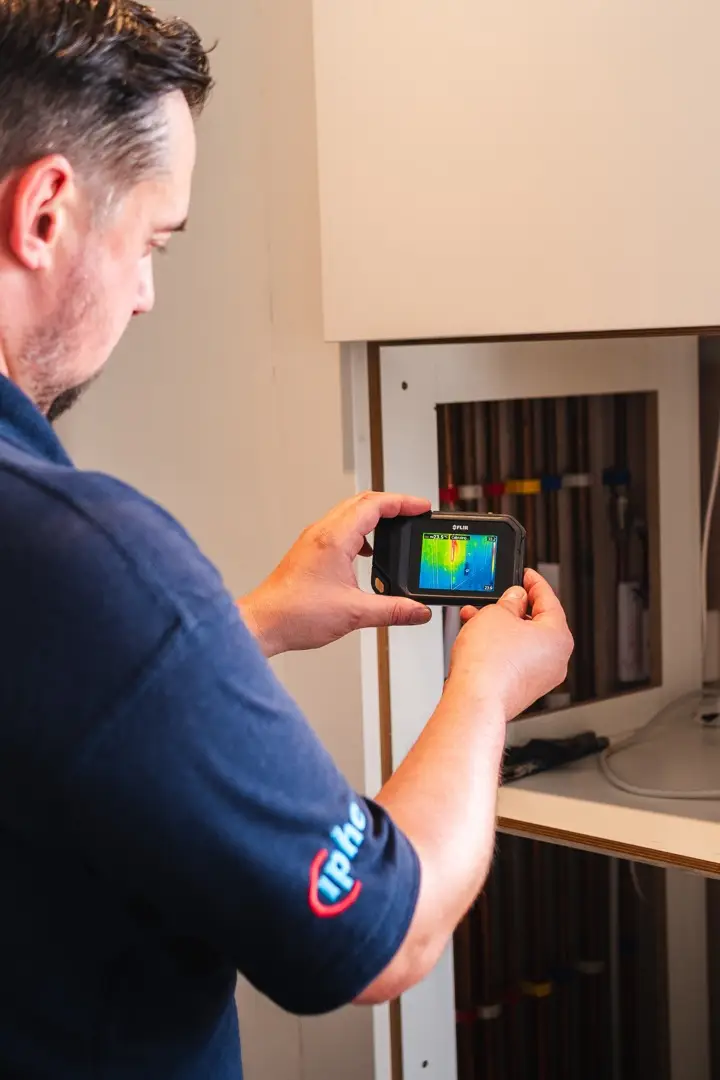
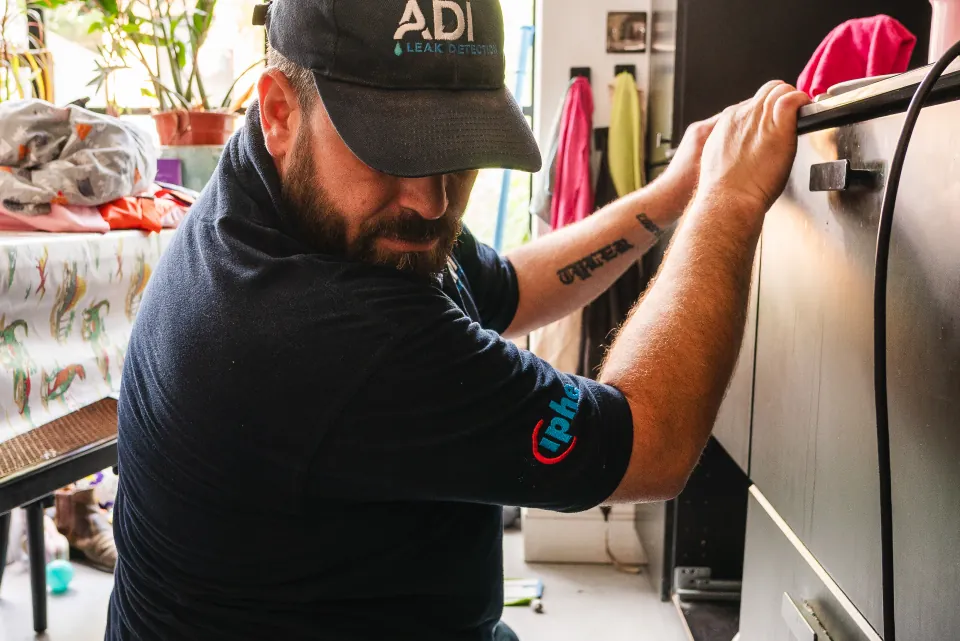
In Cessnock (G51), where most homes are flats, ADI Leak Detection's Hamaad Janjua locates hidden leaks with non-invasive equipment and marks each one on site before a floor, wall or ceiling is opened. Should you want the leak mended, he can repair a leaking plumbing, heating or water mains pipe himself.
Hamaad Janjua, Leak Detection Engineer at ADI Leak Detection
Hamaad, Your Cessnock Leak Detection Expert
Hamaad Janjua's base in Giffnock and Cessnock are 5.3 miles apart on the shortest route Google Maps gives, via St Andrew's Drive. In 2017, flats made up 1,794 of the 1,867 homes in the Ibrox East and Cessnock statistical area (National Records of Scotland), so most households here probably share a supply pipe, as Scottish Water says flats usually do.
Hamaad's particular expertise lies in water mains and in domestic plumbing, the supply pipes and household pipework that a block of flats depends on, and he is Gas Safe Registered with City & Guilds qualifications. On Trustpilot, Jamie describes Hamaad as the third contractor to attend and try to locate a leak in Jamie's property: he found the source after a series of checks, then ran further tests to make sure it was not a combination of issues.
Plumbing and heating
10 years
Gas heating
8 years
Specialist leak detection
3 years
Leak detection jobs for ADI since
243
Qualifications
Gas Safe Registered, City & Guilds qualified plumber, Water Bylaws Level 2, solar thermal and unvented hot water tanks
Cessnock Leak Detection Services
Cessnock (G51) lies south of the River Clyde and was once part of the Burgh of Govan, with Kinning Park to the east, Ibrox next door and Bellahouston Park on its southern boundary. Its housing is overwhelmingly flats, among them the curved tenement of Walmer Crescent, designed by Alexander "Greek" Thomson. In a building of flats, water from a leak can run down to the flat below before it shows, and one supply pipe often serves several flats, so the source is traced before a floor or ceiling is opened.
Before an engineer is booked, someone in the ADI Leak Detection office team talks to you about the leak.
What leak detection in a Cessnock flat includes
Five ways of tracing a leak from the surface: tracer gas, thermal imaging, borescope cameras, moisture meters and acoustic listening
The leak pinpointed on site, so nothing is opened until its position is known
The visiting engineer's write-up of the job, formatted for "Trace and Access" and "Escape of Water" insurance claims and illustrated with photographs and video
Repair of plumbing, central heating and water mains leaks on request, all of it guaranteed
Location of roof and structural leaks, set out in the report
What are the signs of a hidden leak in a Cessnock flat?
A Cessnock flat with a hidden leak usually gives one of seven signs: a brown mark growing on the ceiling, boiler pressure that will not hold, tiles lifting by the shower, a damp wall with no pipe in sight, every tap running weaker, a top-floor ceiling wet after a downpour, or a drain smell that keeps coming back. The table gives the investigation that tracks each sign to its source.
Signs of a hidden leak and the investigation that finds it
The sign
What it usually means
The investigation
A brown mark growing on your ceiling
Usually water from a bathroom or pipework upstairs or, for a top-floor flat, from the roof itself
Ceiling leak detection
Boiler pressure that drops again after every top-up
Most likely the heating system losing water at a radiator, a valve or pipework below the floorboards
Central heating leak detection
Grout crumbling or tiles lifting next to the shower
Water getting past the tray, a seal or the waste, or from pipes hidden behind tiles
Bathroom leak detection
A wall or skirting that stays damp with no pipe in sight
Usually pipework inside the wall or under the floor that has sprung a leak
Hot and cold water pipe leak detection
Every tap in the flat running weaker than it used to
The supply pipe your block shares may be leaking somewhere along it
Water mains (supply pipe) leak detection
A top-floor ceiling wet after a downpour
Rain getting in where the roof, its flashing or a gutter has failed
Roof leak detection
A drain smell that keeps coming back
Usually a crack or a parted joint in a drain or waste pipe
Drainage leak investigation
Which leak detection service does your Cessnock flat need?
A Cessnock flat needs the investigation that matches where its water is escaping, and each of the seven below lists the equipment ADI Leak Detection uses.
Water mains (supply pipe) leak detection
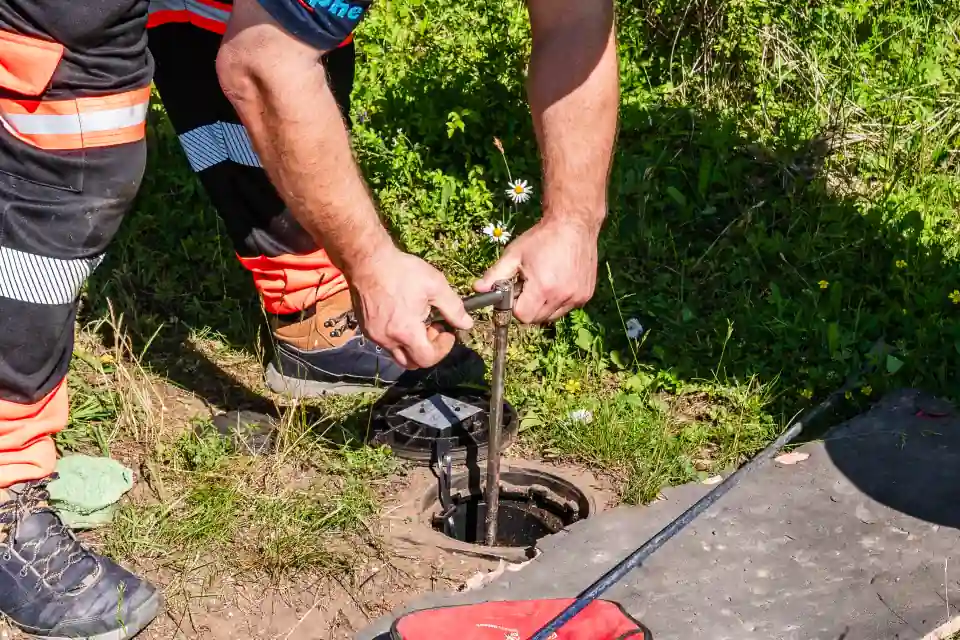
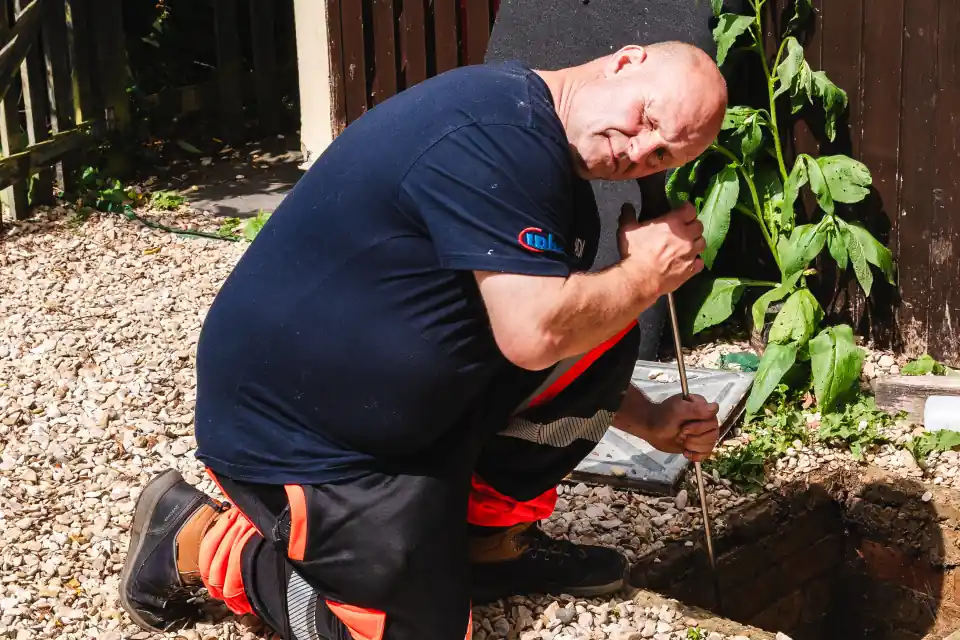
Searches the supply pipe that brings water in from the boundary stop cock, which in a Cessnock close may feed several flats before it reaches the stop valve in yours.
Equipment: acoustic ground microphones and tracer gas
Central heating leak detection
Tracks down the leak behind falling boiler pressure, whether it is at a radiator, on a valve or in pipework under the floorboards.
Equipment: tracer gas, thermal imaging and pressure testing
Hot and cold water pipe leak detection
Works along hidden hot and cold pipes in walls, floors and ceilings with listening gear and a thermal camera until the leaking section is marked.
Equipment: acoustic listening, thermal imaging, tracer gas and borescope
Bathroom leak detection
Tests each bathroom fitting in turn, from shower tray and bath to toilet and basin, along with the seals and boxed-in pipes, once water is getting below.
Equipment: thermal imaging, moisture meters and borescope
Ceiling leak detection
Finds out which bathroom, pipe or roof is behind a stain on your ceiling.
Equipment: thermal imaging, moisture meters and acoustic methods
Roof leak detection
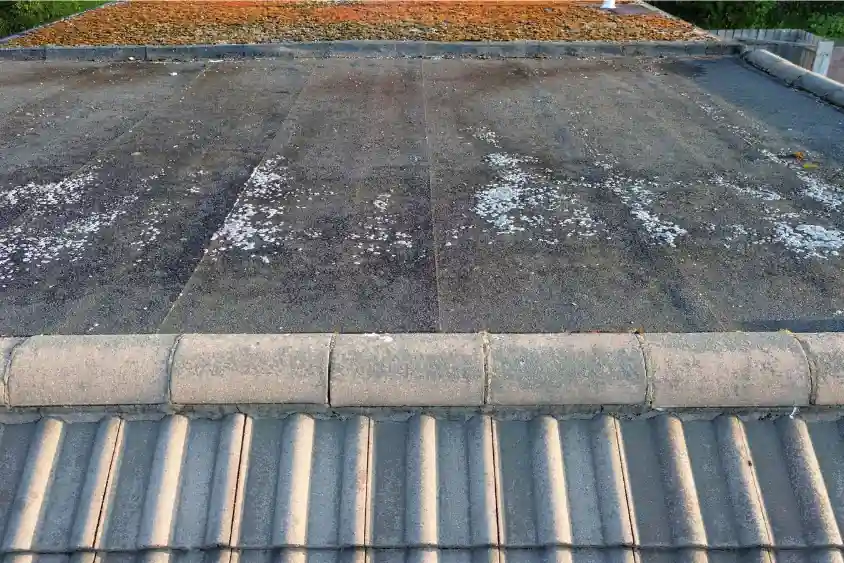
Shows where rain is getting past the tiles, flashing, gutters or flat-roof membrane above a top-floor flat. ADI Leak Detection's job is to locate and report the leak; repairing the roof is a roofer's work.
Equipment: thermal imaging, moisture meters and drone inspection
Drainage leak investigation
Runs a CCTV camera through foul and surface water drains, looking for the crack or open joint behind low damp, smells or repeated blockages.
Equipment: CCTV drain survey and acoustic listening
How does ADI find a hidden leak before anything is opened up?
ADI Leak Detection picks from five non-invasive methods to suit the leak, so it is found before anything is opened up. The Finnieston case study below used thermal imaging, damp meter readings, a roof space inspection and a pressure test.
Tracer gas
The isolated pipe is filled with tracer gas, and a detector passed over the floor or ground picks up the point where the gas escapes.
Acoustic listening
Listening equipment amplifies the sound of water forcing its way out of a pressurised pipe.
Thermal imaging
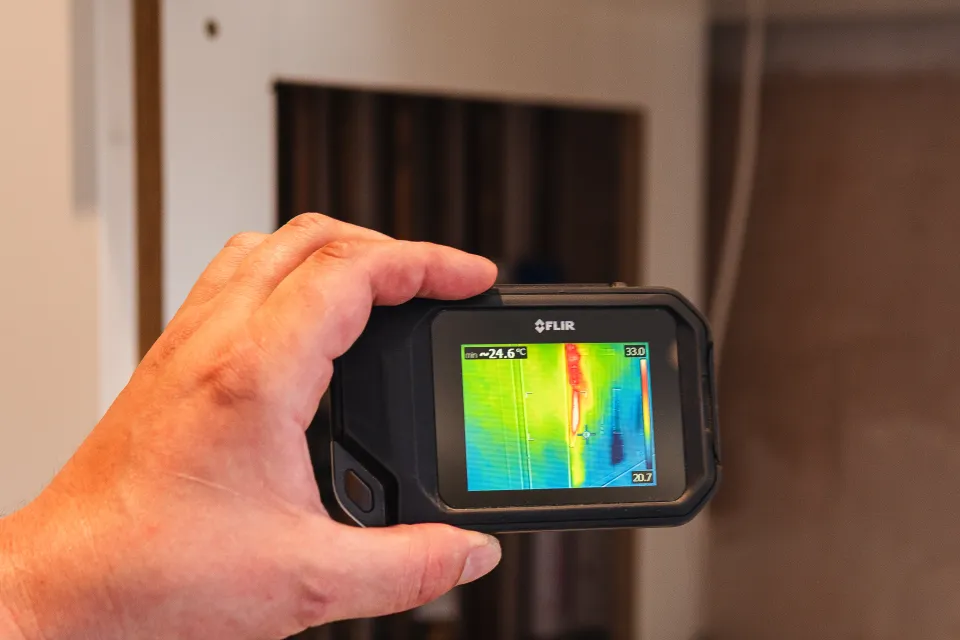
Thermal imaging shows temperature, so a warm heating leak and a cold, damp patch look different on screen.
Moisture meters
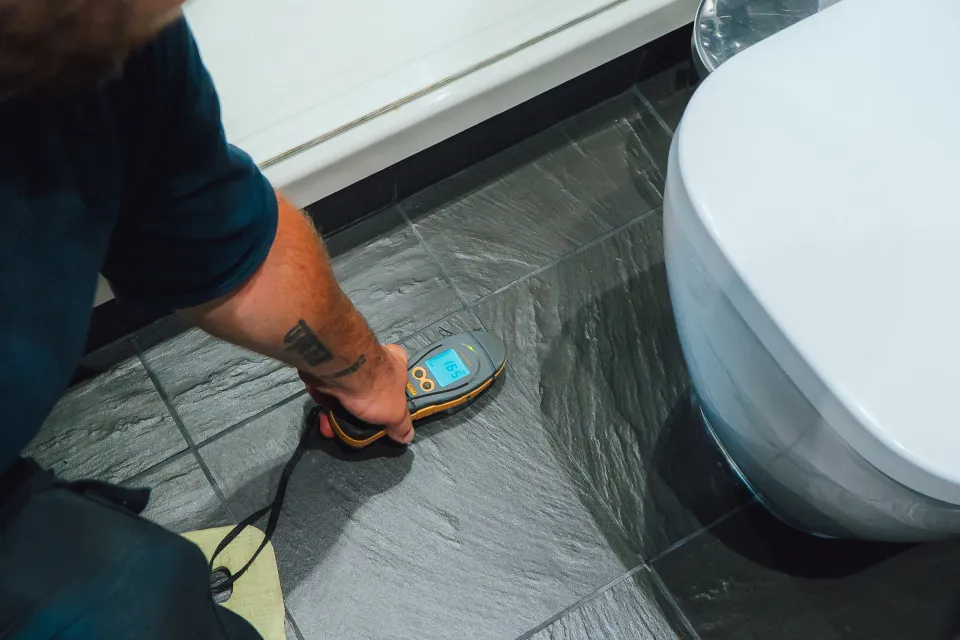
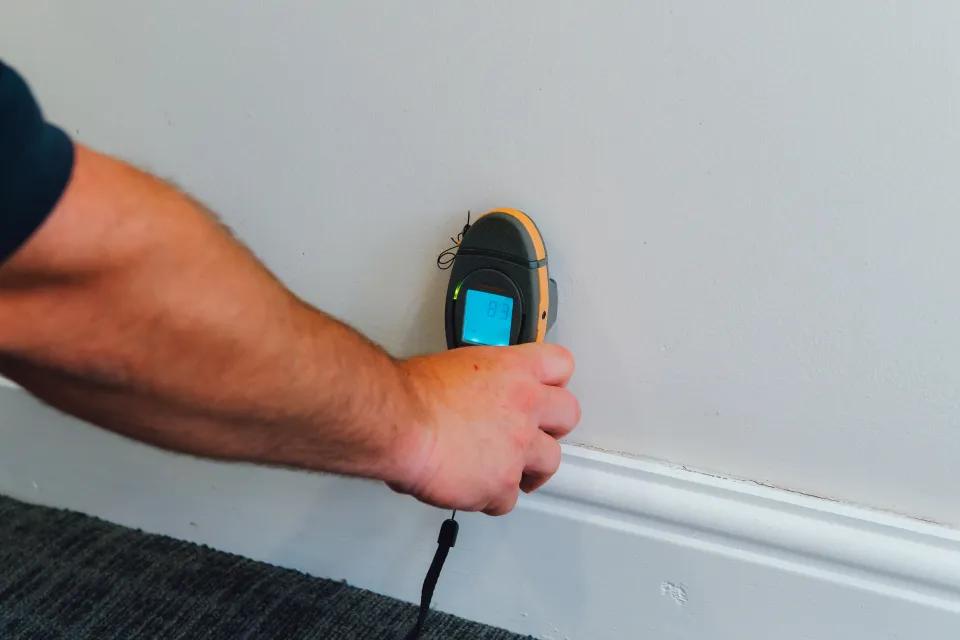
A meter pressed to a wall or floor gives a moisture reading, and a grid of readings shows where the wet is worst.
Borescope cameras
Through one small hole, a borescope's camera shows the inside of a wall cavity, a boxed-in pipe run or the void under floorboards.
Can ADI repair the leak once it is found?
Yes. ADI Leak Detection will repair a leaking plumbing, central heating or water mains pipe when you ask, and the guarantee covers all of that work; an independent plumber of your choice is the other option. Leaks through the roof or the structure are a matter for a roofer or builder to fix, once ADI has located them and reported on them.
Leak repairs by ADI Leak Detection
Ask for the repair and it can be carried out by the engineer who traced the leak, so the person who found the fault is the one who puts it right.
Repairs by your own plumber
You see the marked leak on site and hear what it is before anyone mentions a repair. The written report then records the spot, which lets a plumber of your own choosing open up in the right place.
Who pays to find and fix a leak in a Cessnock flat?
The pipe the leak is on decides who pays. Up to and including the stop cock at the boundary of the property, responsibility lies with Scottish Water, whose part covers the water main and the communication pipe. Past it, the supply pipe that carries water into the building and on to each flat's stop valve is the owners' responsibility, and in a block it is usually shared: "Flats and older or terraced houses usually have a shared water supply pipe", in Scottish Water's words.
Your buildings insurance
Trace and access cover, included in many buildings insurance policies, is meant to meet the cost of finding the escape of water and of the opening-up needed to get at it. How much a policy pays varies, so read yours, or ask your insurer, before work begins.
Your leak detection report
At the end of every ADI Leak Detection investigation, the engineer who came out writes up a report that includes photographs and video and is formatted for "Trace and Access" and "Escape of Water" insurance claims.
Describe what you are seeing to the office team on 0141 363 0314, and they will point you to the right investigation.
Three reviews of Hamaad from Trustpilot, with nothing corrected or cut.
Alison S.,
Leaking En-Suite
Hamaad from ADI came out today to investigate a leak in our en-suite. He was very knowledgeable and kept me informed the whole time as to what he was doing and why. Hamaad was polite and friendly and I would recommend this company.
Hamaad was such a great engineer. he was the 3rd contractor to attend and attempt to locate the leak in my property. 3rd time was the charm. Hammad found the source after conducting a series of checks. after finding the source he then conducted further tests to make sure it wasn’t a combination of issues. Really nice guy, very friendly and communicates his findings accurately. definitely seems to put the customer first which I really appreciated.
Hamaad was excellent! Came right on time and was straight to work and was also very informative on the process of what will happen etc. can’t recommend enough great at finding the leaks!
Two wet patches in a Finnieston house, traced to the roof and a torn waste pipe
Engineer:
Hamaad Janjua
Location:
Finnieston, across the Clyde from Cessnock
Date:
Property:
Two-storey house with a combi boiler
Leak type:
Roof water ingress and a torn washing machine waste pipe
Methods:
Thermal imaging, damp meter, roof space inspection, pressure test of the hot and cold pipes
Outcome:
Two unrelated causes found: the roof, for a roofer to repair, and the waste pipes, for a local plumber
The customer, in a two-storey house with a combi boiler, had found a wet patch on the upstairs carpet and another on the kitchen floor below. Nothing showed where the water was coming from, and it was not clear whether the two wet areas were connected.
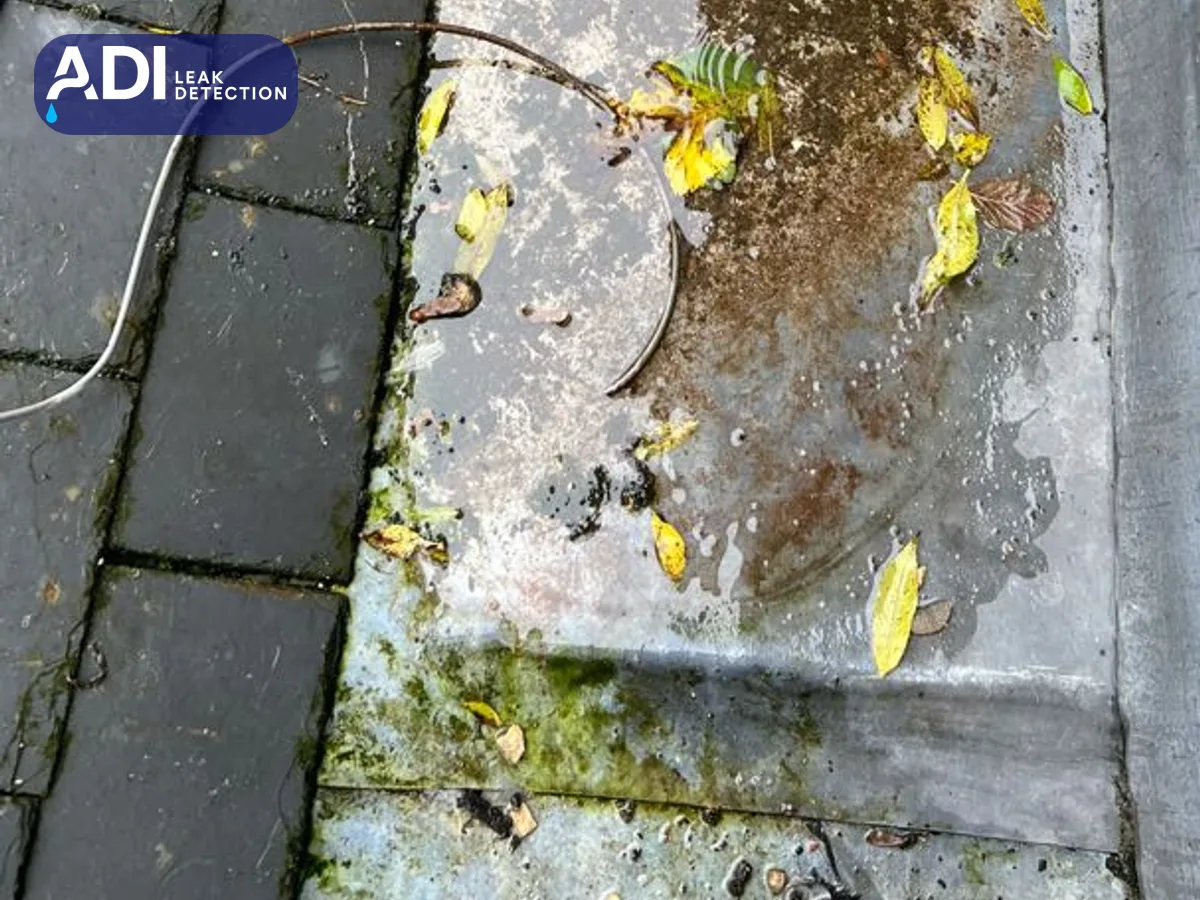
Hamaad began with thermal imaging, which showed the upstairs wet area was a cold, damp patch, and the customer confirmed the heating had not been losing pressure. A damp meter confirmed the area was wet. In the roof space on the other side of the affected wall he found a significant amount of standing water, visible gaps where water was getting in and a blocked gutter. The external wall was damp, and damp meter readings pointed to water ingress from the roof.
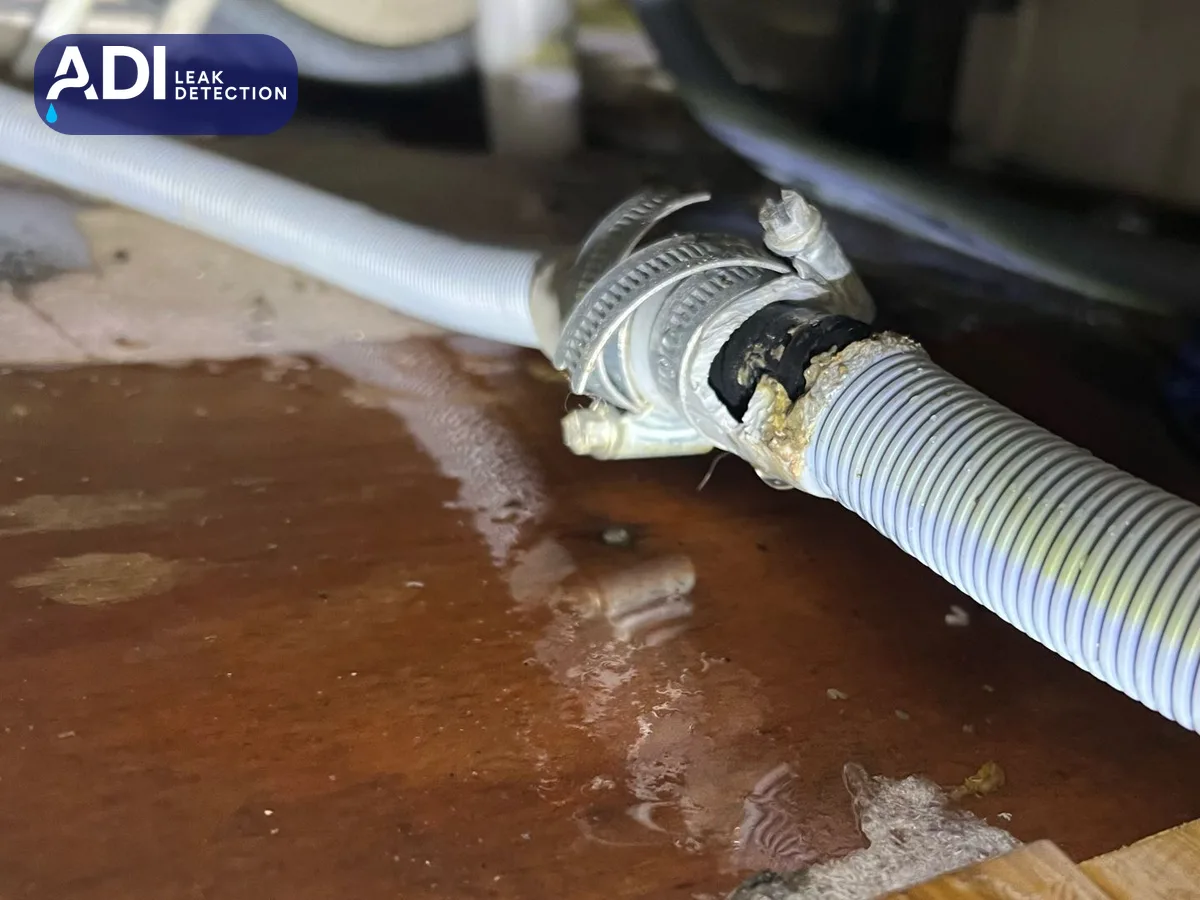
The water downstairs had a separate cause: a tear in the washing machine waste pipe and a blockage in the sink waste pipe system. A pressure test on the hot and cold water pipes passed at the time of the visit, and the report describes the two problems as completely unrelated. It recommends that a qualified roofer repairs the roof, making sure it has the correct fall so that water stops standing on it, and clears the gutters so they drain properly. Until the sink blockage was cleared and the waste pipes were replaced, the customer was advised not to use the washing machine or dishwasher. ADI did not carry out the repairs: roof work is for a roofer, and the report advised a local plumber to clear the waste pipe blockage and fit a new washing machine waste pipe.
The waste hose, torn and taped at the joint.Water standing on the roof by the gutter.
Contact ADI For Leak Detection in Cessnock
For a leak detection visit in Cessnock, ring 0141 363 0314 and tell ADI Leak Detection's office what you have noticed, whether a stain on the ceiling, boiler pressure falling or damp low on a wall. From that, the team books an engineer with the equipment that kind of leak needs.